

Opening a UK bank account as a newcomer: the proof-of-address trap
Banks want ID and proof of address, which is awkward when you have just arrived. Here are practical ways through it.
Updated
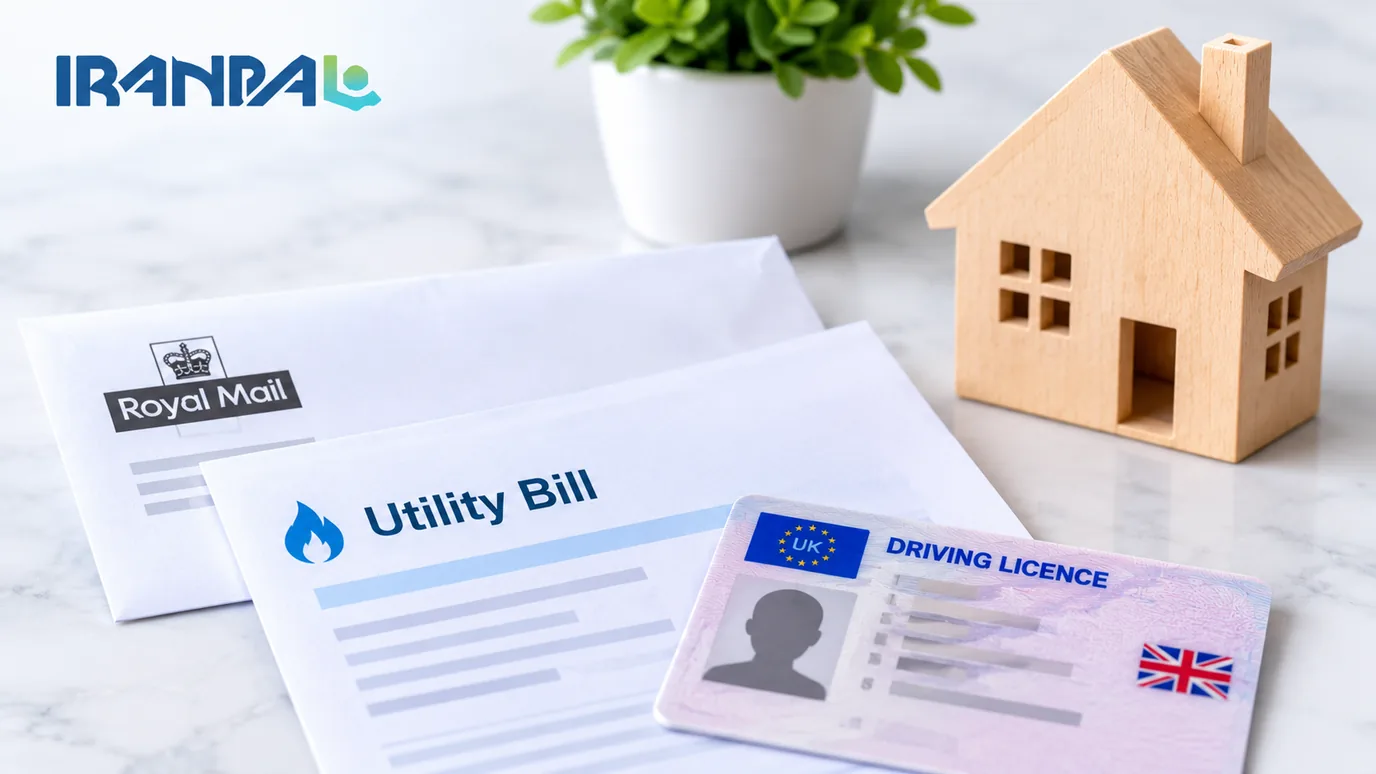
A bank account is the key that unlocks salaries, rent payments and many other everyday services. Yet for people who have just arrived it can feel like a puzzle: banks usually want proof of address, but proof of address often comes from a bank statement.
What banks usually ask for
Most UK banks want two things: proof of identity and proof of your UK address. For identity this normally means a valid passport, and some banks also ask to see your visa or biometric residence permit. Requirements differ between banks, so check your chosen bank's own list before you go.
What counts as proof of address
Commonly accepted documents include a recent utility bill, a council tax bill, a bank or credit card statement, or a UK driving licence. A tenancy agreement may be accepted by some providers. The document usually has to be recent and in your name.
Ways around the catch-22
- Ask for an alternative. Some banks accept a letter from your employer or university confirming your UK address. Ask in advance which letters they will take.
- Get a bill in your name. If you are the account holder for a utility, the first bill can serve as proof. Registering for council tax with your local council produces another useful document.
- Speak to the branch. Some banks have newcomer or international-customer teams, and some will let you apply with ID plus a non-UK address. Policies vary, so phone first and ask.
- Use an online provider as a stepping stone. Some digital providers have lighter requirements, but check fees and whether the account is a full current account that suits your needs.
Practical tips
1. Book an appointment if the branch recommends it, and bring original documents. 2. Make sure your name and address are spelled identically on all documents. 3. Apply for one account at a time, since multiple applications in a short period can be noted by credit reference agencies. 4. Once you have a UK account, ask about changing your address on file whenever you move.
Beware of anyone who offers to 'supply' paperwork for a fee. Using forged or borrowed documents is serious, and legitimate routes exist. Our scam awareness posts cover how to spot fraudulent offers aimed at newcomers.
This article is general information, not financial advice.