

What counts as proof of address in the UK, and how to build one from scratch
Banks, employers and landlords all ask for it. Here are the documents that work and the order to collect them.
Updated
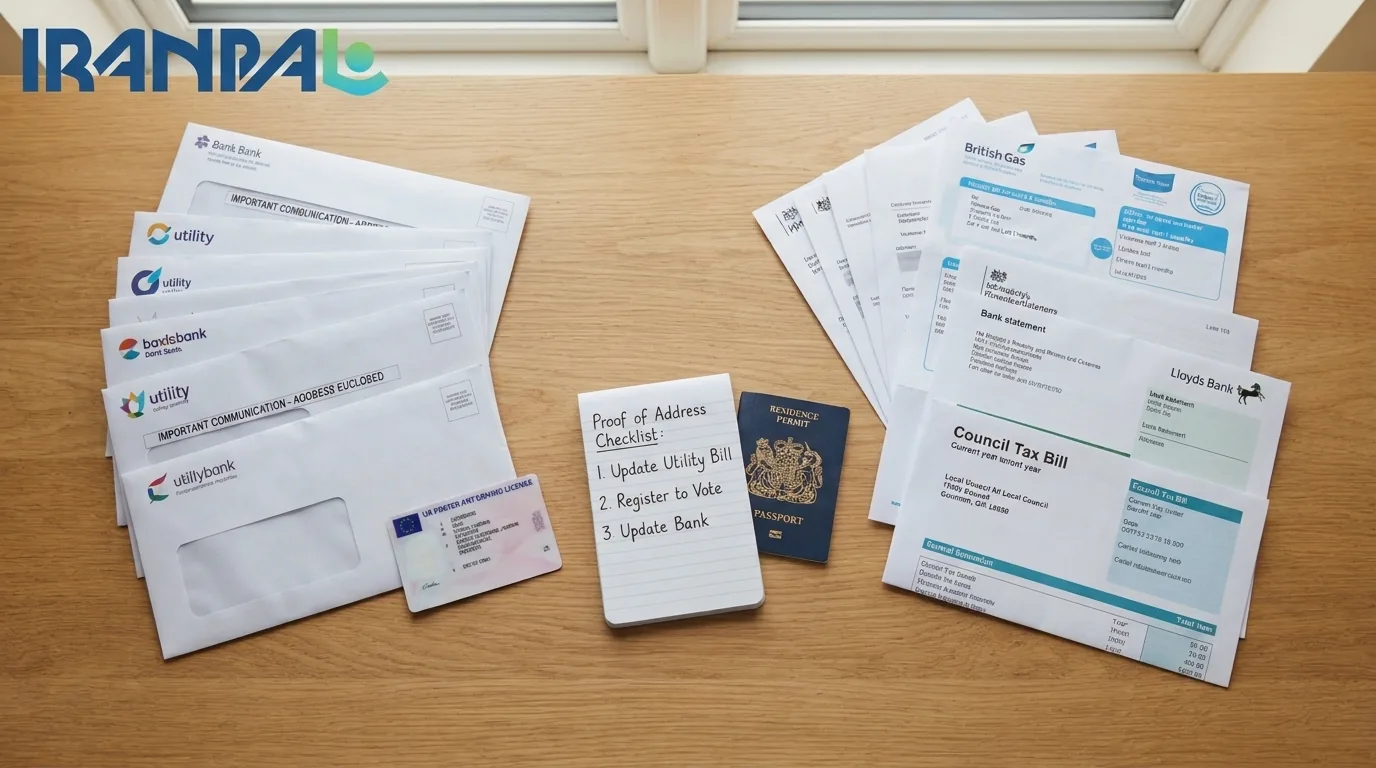
In the UK, proof of address turns up everywhere: opening a bank account, registering for services, passing identity checks for jobs and renting. When you are new, you may not yet have any of the documents people expect. Here is how it works and how to build up a paper trail.
Documents that are commonly accepted
Most providers accept a recent utility bill (gas, electricity, water or landline), a council tax bill, a bank or credit card statement, or a UK driving licence. Government letters are also widely accepted. 'Recent' usually means dated within the last three months, though the period can vary, so check each organisation's guidance.
Photos on a phone or screenshots may not be accepted. Many organisations prefer original paper documents or official PDFs downloaded from your online account.
Building your first documents
1. Tenancy agreement. Some organisations accept it, and it also lets you register services at your new address. 2. Council tax. Register with your council and ask for confirmation in writing. 3. Utilities. If you are the named account holder on an energy or water bill, your first bill in your name becomes useful proof. 4. GP registration letter. After registering with a surgery, ask for a confirmation letter. It is not accepted everywhere but can supplement other documents. 5. Employer or university letters. Some banks accept a letter confirming your address from an employer or education provider. 6. Bank account. Once you have one, your statements become the strongest everyday proof.
When you do not have a fixed address
Some services accept alternative evidence. For example, you can register with a GP using a temporary address or the surgery's own address. Other organisations may take a letter from a hostel, charity or host confirming where you live. Ask the organisation what they accept rather than guessing.
Keep things consistent
Use the same spelling of your name and the same address format on every document. Small differences, such as missing a flat number or using a different spelling of your surname, are a common reason for delays.
Keep digital copies of your documents in a secure place, and never share them with people who contact you unexpectedly asking for them. Fraudsters often target newcomers by asking for identity documents.